
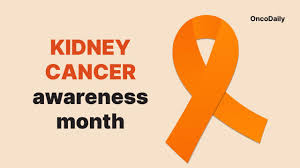
Awareness ribbons have become powerful symbols used worldwide to represent different causes and health conditions. One such symbol is the kidney cancer ribbon, which helps spread awareness about kidney cancer and supports those affected by it. These ribbons are more than just colors—they represent hope, strength, and the fight against disease. Understanding the meaning behind the kidney cancer ribbon can help you become more informed and supportive of this important cause.
What Is the Kidney Cancer Ribbon
The kidney cancer ribbon is a visual symbol used to raise awareness about kidney cancer, a condition that affects the kidneys and can impact overall health. This ribbon is commonly displayed during awareness campaigns, events, and fundraisers. It serves as a reminder of the importance of early detection, treatment, and ongoing research.
Color of the Kidney Cancer Ribbon
The official color of the kidney cancer ribbon is orange. This bright and bold color is chosen to represent energy, strength, and determination. During awareness campaigns, people wear orange ribbons, clothing, or accessories to show their support for those battling kidney cancer and to honor survivors and those who have lost their lives to the disease.
What the Ribbon Represents
The kidney cancer ribbon carries deep meaning. It represents hope for patients, support for families, and a commitment to finding better treatments and cures. It also highlights the importance of education and awareness, encouraging people to learn about the disease and recognize its symptoms early. For many, wearing the ribbon is a way to show solidarity and compassion.
Importance of Kidney Cancer Awareness
Raising awareness about kidney cancer is crucial because early detection can significantly improve treatment outcomes. Many people may not be aware of the symptoms, which can delay diagnosis. Awareness campaigns using the ribbon help educate the public, promote regular health check-ups, and encourage conversations about kidney health. Increased awareness can lead to better prevention and timely medical care.
Common Symptoms of Kidney Cancer
Understanding the symptoms of kidney cancer is important for early detection. Some common signs include blood in the urine, persistent back or side pain, unexplained weight loss, fatigue, and loss of appetite. However, symptoms may not appear in the early stages, which is why regular medical check-ups are essential. If any unusual symptoms occur, it is important to consult a healthcare professional.
Risk Factors Associated with Kidney Cancer
Several factors can increase the risk of developing kidney cancer. These include smoking, obesity, high blood pressure, and a family history of the disease. Exposure to certain chemicals and long-term use of specific medications may also contribute to the risk. Understanding these factors can help individuals take preventive measures and maintain better health.
How to Show Support
There are many ways to support kidney cancer awareness. Wearing an orange ribbon is one of the simplest ways to show solidarity. Participating in awareness events, sharing information on social media, and donating to research organizations can also make a difference. Supporting patients and their families emotionally and financially is equally important.
The Role of Awareness Campaigns
Awareness campaigns play a vital role in spreading information and encouraging action. Events such as awareness walks, fundraisers, and educational programs help bring attention to kidney cancer. These campaigns often use the orange ribbon as a central symbol to unite people and amplify the message of hope and support.
Why Symbols Like Ribbons Matter
Symbols like the kidney cancer ribbon are powerful because they create visibility and unity. They make it easier for people to recognize and support a cause. Ribbons also help start conversations, which can lead to increased understanding and awareness. In the case of kidney cancer, the ribbon serves as a reminder of the ongoing fight against the disease.
Conclusion
The kidney cancer ribbon is more than just a symbol—it represents awareness, hope, and the collective effort to fight kidney cancer. By understanding its meaning and supporting awareness initiatives, individuals can contribute to a greater cause. Whether through wearing the ribbon, spreading information, or supporting research, every action counts. Together, these efforts can help improve outcomes and bring hope to those affected by kidney cancer.




Leave a Reply