
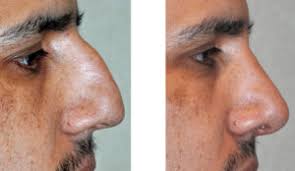
Facial features play a major role in defining a person’s appearance, and one of the most noticeable features is the nose. Among different nose shapes and structures, the high nose bridge is often considered a distinctive and prominent characteristic. It refers to the elevated part of the nose that runs between the eyes, giving the face a more defined and structured look. This feature is commonly associated with symmetry and sharp facial contours, making it a topic of interest in both beauty and medical discussions.
In modern times, people are increasingly curious about their facial features and how they influence overall appearance. The high nose bridge is frequently discussed in relation to beauty standards, genetics, and even cultural preferences. Understanding this feature can help individuals appreciate their natural appearance and make informed decisions about grooming, styling, or cosmetic options if desired.
What is a High Nose Bridge
A high nose bridge refers to the upper part of the nose that sits higher and more prominent compared to other nose types. It is located between the eyes and forms the structure that supports the rest of the nose. When the bridge is high, it creates a sharper profile and a more defined facial outline.
This feature varies widely among individuals due to genetic differences. Some people naturally have a higher nasal bridge, while others may have a lower or flatter bridge. The shape and height of the nose bridge are influenced by bone structure, cartilage, and overall facial anatomy.
A high nose bridge is often associated with a strong and balanced facial appearance. It can make the face look more symmetrical and enhance other features such as the eyes and cheekbones. However, beauty is subjective, and all nose shapes are unique in their own way.
Causes and Genetics of High Nose Bridge
The primary factor behind a high nose bridge is genetics. Facial features, including the shape of the nose, are inherited from parents and ancestors. Different ethnic groups tend to have distinct nasal structures, which contribute to the diversity of appearances around the world.
Genetic traits determine the height, width, and overall shape of the nose. For example, some populations are more likely to have higher nasal bridges, while others may have flatter ones. These variations are a natural part of human diversity and should be appreciated as such.
Environmental factors and growth patterns during childhood can also influence facial development. However, genetics remains the most significant determinant of whether a person has a high nose bridge.
High Nose Bridge and Beauty Standards
The high nose bridge is often highlighted in discussions about beauty and aesthetics. In many cultures, it is considered a desirable feature because it creates a sharp and defined facial profile. This perception has been influenced by media, fashion trends, and cultural ideals.
However, beauty standards are constantly evolving, and there is no single definition of attractiveness. While some people admire a high nose bridge, others appreciate different nose shapes. It is important to recognize that every facial feature contributes to a person’s unique identity.
The growing movement toward natural beauty and self-acceptance encourages individuals to embrace their features rather than compare themselves to unrealistic standards. A high nose bridge is just one of many characteristics that make each person unique.
Differences Between High and Low Nose Bridge
Understanding the difference between a high nose bridge and a low nose bridge can help clarify this concept. A high nose bridge sits prominently between the eyes and creates a more angular appearance. In contrast, a low nose bridge appears flatter and less pronounced.
These differences affect the overall facial structure and how other features are perceived. For example, a high nose bridge can make the eyes appear more deep-set, while a low bridge may create a softer look.
Neither feature is better than the other. Both have their own aesthetic appeal and contribute to the diversity of human faces. The key is to appreciate the uniqueness of each structure rather than trying to fit into a specific standard.
Styling Tips for High Nose Bridge
Having a high nose bridge can influence how certain styles and accessories look. For example, glasses often fit differently on individuals with a higher bridge. Frames designed for high nose bridges provide better support and comfort, preventing slipping and improving fit.
Makeup techniques can also enhance or soften the appearance of the nose bridge. Contouring can be used to highlight the natural structure or create a more balanced look. For those who prefer a natural appearance, minimal makeup can emphasize the natural definition of the nose.
Hairstyles can also complement a high nose bridge. Styles that frame the face or add volume can create a balanced and harmonious look. Experimenting with different styles can help individuals find what works best for their features.
Medical and Functional Aspects
The high nose bridge is not just about appearance; it can also have functional implications. The structure of the nose affects breathing and airflow. In most cases, a high nose bridge does not cause any issues and functions normally.
However, in some situations, nasal structure may be linked to conditions such as a deviated septum or breathing difficulties. These issues are not necessarily related to the height of the nose bridge but rather to internal structures.
If someone experiences breathing problems, it is important to consult a medical professional. Understanding the functional aspects of the nose can help ensure overall health and well-being.
Cosmetic Options and Considerations
Some individuals may choose to enhance or modify their high nose bridge through cosmetic procedures. Rhinoplasty, commonly known as a nose job, is a surgical option that can reshape the nose according to personal preferences.
Non-surgical options, such as dermal fillers, can also be used to adjust the appearance of the nose bridge. These procedures are less invasive and provide temporary results.
It is important to approach cosmetic changes carefully and consult qualified professionals. Making informed decisions ensures that the results are safe and aligned with personal goals.
Myths About High Nose Bridge
There are several myths surrounding the high nose bridge. One common misconception is that it determines attractiveness. In reality, beauty is subjective and cannot be defined by a single feature.
Another myth is that a high nose bridge is always associated with certain ethnic groups. While some traits may be more common in specific populations, there is significant variation within every group.
Understanding these myths helps promote a more inclusive and realistic view of beauty. Every individual has unique features that should be appreciated rather than judged.
Embracing Natural Features
The conversation around the high nose bridge ultimately comes down to self-acceptance and confidence. Instead of focusing on comparisons, individuals should celebrate their natural features. Confidence and self-esteem play a much bigger role in attractiveness than any physical trait.
Learning to appreciate one’s appearance can have a positive impact on mental and emotional well-being. Whether someone has a high nose bridge or a different feature, what matters most is how they feel about themselves.
Conclusion
In conclusion, the high nose bridge is a distinctive facial feature that contributes to the overall structure and appearance of the face. It is influenced primarily by genetics and varies widely among individuals. While it is often associated with certain beauty standards, it is important to remember that all features are unique and valuable.
From styling tips to medical considerations, understanding the high nose bridge provides a deeper appreciation of facial anatomy. Ultimately, embracing natural features and focusing on self-confidence is the key to feeling comfortable and confident in one’s own skin.




Leave a Reply