
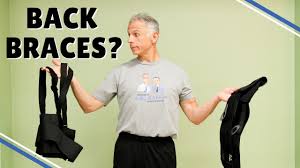
Lower back pain is one of the most common health issues affecting people of all ages. Whether caused by poor posture, long hours of sitting, injury, or underlying medical conditions, it can significantly impact daily life. Many individuals struggle to find effective ways to manage discomfort while continuing their routine activities. This is where a back brace for lower back pain becomes a practical and supportive solution.
A back brace is designed to provide stability, reduce strain, and promote proper posture. It works by supporting the spine and surrounding muscles, helping to alleviate pressure on the lower back. With the increasing awareness of ergonomic health and preventive care, more people are turning to back braces as part of their pain management strategy. Understanding how these braces work and how to use them properly can make a significant difference in improving comfort and mobility.
What is a Back Brace for Lower Back Pain
A back brace for lower back pain is a wearable support device that wraps around the lower torso to stabilize the spine. It is typically made from flexible materials combined with supportive structures such as metal or plastic stays. The main purpose of a back brace is to limit excessive movement, reduce muscle strain, and encourage proper alignment of the spine.
These braces come in different types and designs, depending on the level of support required. Some are lightweight and suitable for everyday use, while others provide more rigid support for individuals recovering from injuries or surgeries. The versatility of back braces makes them suitable for a wide range of users, from office workers to athletes.
How a Back Brace Helps Lower Back Pain
The effectiveness of a back brace for lower back pain lies in its ability to provide targeted support. By compressing the lower back area, the brace helps reduce pressure on the spine and surrounding muscles. This can lead to immediate relief from discomfort and improved posture.
Another way a back brace helps is by limiting harmful movements. Sudden twisting or bending can worsen back pain, but a brace acts as a reminder to maintain proper posture. This support allows the muscles to relax and recover over time.
Additionally, back braces can improve blood circulation in the affected area, which promotes healing and reduces inflammation. For many users, this combination of support and comfort makes a noticeable difference in their daily activities.
Types of Back Braces for Lower Back Pain
There are several types of back brace for lower back pain, each designed for specific needs. One common type is the flexible brace, which provides mild support and is ideal for everyday use. It is often used by individuals who experience occasional discomfort or want to prevent strain during activities.
Another type is the rigid brace, which offers maximum support and is usually recommended for serious injuries or post-surgical recovery. These braces limit movement significantly, allowing the spine to heal properly.
There are also posture corrector braces that focus on improving alignment rather than providing heavy support. These are particularly useful for people who spend long hours sitting or working at a desk.
Choosing the right type depends on the severity of the pain and the level of support required.
Benefits of Using a Back Brace
Using a back brace for lower back pain offers several advantages. One of the main benefits is pain relief. By reducing pressure on the spine and supporting the muscles, the brace helps alleviate discomfort and improve mobility.
Another benefit is improved posture. Many people develop back pain due to poor posture, especially when sitting for long periods. A back brace encourages proper alignment, reducing the risk of further strain.
Back braces also provide confidence and security. Knowing that the lower back is supported allows individuals to perform daily tasks without fear of worsening their condition.
In addition, these braces can be used as a preventive measure. People who engage in heavy lifting or physical activities can wear a brace to reduce the risk of injury.
How to Choose the Right Back Brace
Selecting the right back brace for lower back pain is important for achieving the best results. The first step is to consider the level of support needed. Mild pain may only require a flexible brace, while more severe conditions may need a rigid one.
Comfort is another key factor. The brace should fit properly without being too tight or too loose. Breathable materials are also important, especially for long-term use.
It is advisable to consult a healthcare professional before choosing a brace, particularly if the pain is severe or persistent. They can recommend the most suitable option based on individual needs.
How to Use a Back Brace Properly
Using a back brace for lower back pain correctly is essential for effectiveness. The brace should be worn according to the manufacturer’s instructions or a doctor’s advice. It is important not to rely on the brace too much, as overuse can weaken the muscles over time.
The brace should be positioned correctly around the lower back, ensuring even support. It should be snug but not overly tight, as excessive pressure can cause discomfort.
Combining the use of a back brace with exercises and proper posture habits can enhance results. This balanced approach helps strengthen the back while providing necessary support.
Common Mistakes to Avoid
While a back brace for lower back pain can be helpful, there are some common mistakes to avoid. One of the biggest mistakes is wearing the brace all the time. This can lead to muscle dependency and reduce natural strength.
Another mistake is choosing the wrong size or type of brace. An ill-fitting brace may not provide adequate support and can even worsen the condition.
Ignoring underlying causes of back pain is also a problem. A brace provides relief but does not address the root issue. It is important to identify and treat the cause of the pain for long-term improvement.
Additional Tips for Managing Lower Back Pain
In addition to using a back brace for lower back pain, there are several other ways to manage discomfort. Regular exercise, especially strengthening and stretching routines, can improve flexibility and reduce pain.
Maintaining a healthy weight is also important, as excess weight puts additional strain on the lower back. Proper ergonomics, such as using supportive chairs and maintaining correct posture, can prevent further issues.
Applying heat or cold therapy can provide temporary relief, while staying active helps prevent stiffness. Combining these methods with the use of a back brace can lead to better results.
Conclusion
In conclusion, a back brace for lower back pain is a valuable tool for managing discomfort and improving quality of life. It provides support, promotes proper posture, and helps reduce strain on the spine. While it is not a cure, it can be an effective part of a comprehensive pain management plan.
Choosing the right brace, using it correctly, and combining it with healthy habits can make a significant difference. By taking a proactive approach to back health, individuals can reduce pain, improve mobility, and enjoy a more comfortable lifestyle.




Leave a Reply