
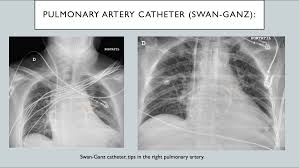
Modern medicine relies heavily on advanced tools and technologies to diagnose and manage complex medical conditions. One such important medical device is the swan ganz catheter, which plays a critical role in monitoring heart function and circulation in critically ill patients. This specialized catheter is commonly used in intensive care units and during certain cardiac procedures to provide detailed information about how well the heart and lungs are working.
The swan ganz catheter, also known as a pulmonary artery catheter, allows healthcare professionals to measure pressures within the heart and lungs. These measurements help doctors evaluate blood flow, oxygen levels, and overall cardiovascular performance. Because heart and lung function are closely connected, accurate monitoring can be crucial for patients experiencing severe illness or complications after surgery.
Understanding the purpose and function of the swan ganz catheter can help medical students, healthcare professionals, and patients better appreciate its role in modern healthcare.
What Is a Swan Ganz Catheter?
A swan ganz catheter is a thin, flexible tube inserted into a large vein and guided through the heart into the pulmonary artery, which carries blood from the heart to the lungs. The catheter contains several channels that allow doctors to measure different types of pressures and collect blood samples from specific areas within the cardiovascular system.
This device was developed in the 1970s by cardiologists who wanted a reliable way to measure hemodynamic parameters in critically ill patients. Since then, the swan ganz catheter has become an important tool in intensive care medicine, particularly for patients with severe heart failure, shock, or complex cardiovascular conditions.
The catheter typically includes a small inflatable balloon at its tip. When the balloon is inflated, it helps guide the catheter through the blood vessels and into the correct position within the pulmonary artery. Once properly placed, the device can provide continuous data about the patient’s cardiovascular status.
How the Swan Ganz Catheter Works
The swan ganz catheter functions by measuring pressures at different points in the heart and pulmonary circulation. These pressure readings help physicians understand how effectively the heart is pumping blood and how well the lungs are receiving that blood for oxygenation.
One of the key measurements obtained from this catheter is pulmonary artery pressure. This measurement indicates how much pressure the heart must generate to push blood through the lungs. High pulmonary artery pressure may indicate conditions such as pulmonary hypertension or heart failure.
Another important measurement is pulmonary capillary wedge pressure, which reflects pressure in the left side of the heart. This information can help doctors determine whether fluid is accumulating in the lungs due to heart problems.
By analyzing these values, doctors can make informed decisions about medications, fluid therapy, and other treatments needed to stabilize the patient.
Medical Conditions That Require a Swan Ganz Catheter
The swan ganz catheter is typically used in situations where detailed cardiovascular monitoring is necessary. It is often used for patients in intensive care units who are experiencing life-threatening conditions or complications.
One common use of the catheter is in patients with severe heart failure. In these cases, doctors need precise information about how well the heart is pumping and whether the body is receiving enough oxygen-rich blood.
The catheter may also be used in cases of shock, a condition where blood circulation becomes inadequate to support vital organs. By measuring blood pressures and cardiac output, the swan ganz catheter helps doctors determine the type of shock and the most effective treatment.
Additionally, the device may be used during complex cardiac surgeries or for patients recovering from major heart operations. Continuous monitoring ensures that any changes in cardiovascular function are detected quickly and treated promptly.
Procedure for Inserting a Swan Ganz Catheter
The insertion of a swan ganz catheter is a medical procedure usually performed in a hospital setting by trained healthcare professionals. The catheter is typically inserted through a large vein in the neck, chest, or groin.
After cleaning and numbing the area, the doctor inserts a small introducer sheath into the vein. The catheter is then threaded through the vein and guided toward the heart. Using imaging techniques or pressure wave monitoring, the doctor carefully advances the catheter through the right side of the heart and into the pulmonary artery.
Once the catheter reaches the correct position, the balloon at the tip is deflated and the device is secured in place. The catheter is then connected to monitoring equipment that continuously records pressure readings and other important cardiovascular measurements.
Although the procedure requires careful technique, it is commonly performed in critical care settings and is considered safe when conducted by experienced medical teams.
Advantages of Using Swan Ganz Catheter Monitoring
The swan ganz catheter offers several advantages in critical care medicine. One of the most important benefits is its ability to provide real-time data about the patient’s cardiovascular system. This continuous monitoring allows doctors to detect changes quickly and adjust treatment strategies accordingly.
Another advantage is the detailed information it provides about cardiac output, which refers to the amount of blood the heart pumps each minute. By understanding cardiac output, doctors can evaluate whether organs are receiving enough blood and oxygen.
The catheter also allows doctors to measure mixed venous oxygen saturation, which helps determine how effectively the body is using oxygen. These detailed measurements can guide treatment decisions in patients with severe illness, ensuring that care is tailored to their specific physiological needs.
Risks and Possible Complications
While the swan ganz catheter is a valuable medical tool, it does carry some risks, as with any invasive procedure. Possible complications include infection, bleeding, and blood vessel injury at the insertion site.
In rare cases, the catheter may cause abnormal heart rhythms as it passes through the heart. These irregular rhythms are usually temporary and resolve once the catheter is positioned correctly.
Another potential complication is pulmonary artery rupture, although this is extremely rare and typically occurs only in high-risk patients. For this reason, healthcare providers closely monitor patients during and after the procedure to ensure safety.
Despite these risks, the benefits of accurate hemodynamic monitoring often outweigh the potential complications, especially for critically ill patients.
Modern Alternatives and Evolving Technology
In recent years, advances in medical technology have led to the development of alternative monitoring methods. Some doctors now use less invasive techniques such as echocardiography or advanced hemodynamic monitoring systems that do not require insertion into the pulmonary artery.
However, the swan ganz catheter remains valuable in situations where highly detailed cardiovascular measurements are required. In certain complex cases, no other monitoring method provides the same level of accuracy and detailed information.
As medical technology continues to evolve, healthcare providers are constantly evaluating the best ways to balance patient safety with the need for precise diagnostic data.
Importance in Medical Education and Research
The swan ganz catheter is also an important tool in medical education and clinical research. Medical students, residents, and critical care specialists often study how to interpret the data obtained from this catheter in order to understand cardiovascular physiology more deeply.
By analyzing pressure waveforms and cardiac output measurements, healthcare professionals can gain insights into how different diseases affect the heart and lungs. This knowledge contributes to improved treatment strategies and better patient outcomes.
Research involving swan ganz catheter monitoring has also helped advance the understanding of shock, heart failure, and pulmonary hypertension, leading to more effective therapies.
Conclusion
The swan ganz catheter remains one of the most important tools in critical care medicine for monitoring heart and lung function. By providing detailed information about cardiovascular pressures, cardiac output, and oxygen levels, it allows doctors to make informed decisions when treating severely ill patients.
Although newer monitoring technologies have emerged, the swan ganz catheter continues to play a significant role in situations where precise hemodynamic measurements are essential. Its use in intensive care units, cardiac surgery, and medical research highlights its lasting importance in modern healthcare.
For patients and healthcare professionals alike, understanding the purpose and function of the swan ganz catheter helps illustrate how advanced medical technology contributes to improved diagnosis, treatment, and patient survival.




Leave a Reply