
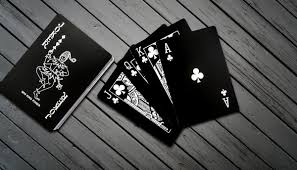
Playing cards are one of the most popular and widely used forms of entertainment in the world. They are used for a variety of games, ranging from simple family games to complex strategy-based competitions. A standard deck of playing cards consists of 52 cards divided into four suits: hearts, diamonds, clubs, and spades. Each suit contains numbered cards and face cards such as kings, queens, and jacks.
Playing cards have been a part of human culture for centuries, evolving from simple paper cards into beautifully designed decks used for gaming, magic tricks, and even educational purposes. Their versatility and accessibility have made them a timeless form of entertainment enjoyed by people of all ages.
History of Playing Cards
The origin of playing cards dates back to ancient times, with early versions believed to have appeared in China during the Tang Dynasty. These early cards were used for games and possibly even as a form of currency. Over time, playing cards spread to other parts of the world, including the Middle East and Europe.
In Europe, playing cards became highly popular during the 14th and 15th centuries. Different regions developed their own designs and suits, but the modern standard deck eventually emerged in France. The French suits—hearts, diamonds, clubs, and spades—are now used worldwide.
As printing technology improved, playing cards became more affordable and accessible, leading to their widespread use across different cultures and societies.
Structure of a Standard Deck
A standard deck of playing cards contains 52 cards divided into four suits. Each suit has 13 cards, including numbers from 2 to 10 and three face cards: jack, queen, and king. There is also an ace, which can have different values depending on the game.
In addition to the standard 52 cards, many decks include one or two jokers. Jokers are often used as wild cards or special cards in certain games. The design of playing cards can vary, with different colors, patterns, and artistic styles, but the basic structure remains the same.
Types of Playing Cards
There are several types of playing cards available, each designed for specific purposes. Standard playing cards are the most common and are used for popular games like poker and blackjack.
There are also specialty decks, such as tarot cards, which are used for fortune-telling and spiritual practices. Educational cards are designed to help with learning, such as flashcards for children. Custom-designed decks are often created for collectors or specific themes, making playing cards not only functional but also artistic.
Popular Games Using Playing Cards
Playing cards are used in a wide variety of games across the world. Some of the most popular games include poker, blackjack, rummy, and bridge. Each game has its own rules and strategies, making playing cards suitable for both casual and competitive play.
Poker is one of the most famous card games, often associated with casinos and tournaments. Blackjack is another popular game that combines luck and strategy. Rummy is a family-friendly game that focuses on matching cards, while bridge is a more complex game that requires teamwork and advanced skills.
These games highlight the versatility of playing cards and their ability to bring people together for fun and entertainment.
Importance of Playing Cards in Entertainment
Playing cards play a significant role in entertainment and social interaction. They are easy to carry, affordable, and suitable for people of all ages. Whether it’s a family gathering, a party, or a casual meetup, playing cards provide a simple yet engaging way to pass the time.
In addition to games, playing cards are also used in magic tricks and performances. Magicians use them to create illusions and entertain audiences. Their simplicity and familiarity make them an ideal tool for creative expression.
Benefits of Playing Cards
Playing cards offer several benefits beyond entertainment. They help improve cognitive skills such as memory, concentration, and problem-solving. Many card games require strategic thinking and decision-making, which can enhance mental abilities.
Playing cards also promote social interaction. They bring people together and encourage communication, teamwork, and friendly competition. For children, card games can be educational, helping them learn numbers, patterns, and basic math skills.
Additionally, playing cards can be a relaxing activity that reduces stress and provides a break from daily routines.
Challenges and Risks
While playing cards are generally safe and enjoyable, there are some challenges and risks associated with their use. One of the main concerns is gambling. When card games involve money, they can lead to financial losses and addiction if not managed responsibly.
Another issue is excessive screen time in digital card games. Many modern card games are available as mobile apps, which can lead to overuse of devices. It is important to maintain a balance between digital and physical activities.
Despite these challenges, playing cards remain a positive and enjoyable form of entertainment when used responsibly.
Modern Trends in Playing Cards
In recent years, playing cards have evolved with technology and design innovations. Digital card games and mobile apps have made it possible to play anytime and anywhere. Online platforms allow players to compete with others from around the world, adding a new level of excitement.
Custom-designed decks have also become popular among collectors and enthusiasts. These decks often feature unique artwork and themes, turning playing cards into collectible items. Crowdfunding platforms have enabled independent designers to create and distribute their own card designs.
The combination of traditional gameplay and modern innovation continues to keep playing cards relevant in today’s digital age.
Conclusion
Playing cards are a timeless form of entertainment that has evolved over centuries. From their origins in China to their global popularity today, they have remained a versatile and accessible tool for games, learning, and social interaction.
With a wide range of games, benefits, and modern innovations, playing cards continue to be enjoyed by people of all ages. Whether used for fun, strategy, or creativity, they hold a unique place in human culture and will likely remain a popular form of entertainment for generations to come.




Leave a Reply