
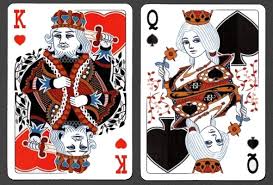
Playing cards are one of the most popular and widely used gaming tools in the world. They are used for entertainment, gambling games, magic tricks, education, and even psychological training. A standard deck is small, portable, and easy to use, making it a universal form of recreation across cultures and age groups.
What Are Playing Cards
Playing cards are a set of printed cards used in games of chance, skill, and strategy. A typical deck consists of 52 cards divided into four suits: hearts, diamonds, clubs, and spades. Each suit has 13 cards ranging from ace to king. Most decks also include 2 joker cards. According to historical records, playing cards have been used for centuries in different parts of the world for entertainment and learning purposes .
History of Playing Cards
The origin of playing cards is believed to date back to ancient China around the 9th century, where early versions were used in games involving paper money-like cards. Later, they spread to Europe in the 14th century through trade routes. European countries modified the design and introduced the familiar suits we use today. Over time, playing cards became a global form of entertainment used in both casual and competitive settings.
Standard Deck Structure
A standard deck of playing cards contains 52 cards divided into four suits. Each suit includes numbered cards from 2 to 10 and three face cards: jack, queen, and king, along with an ace. The design is simple but highly functional, allowing millions of game variations. The uniform structure is what makes card games easy to learn but difficult to master.
Types of Playing Cards
There are many types of playing cards used for different purposes. The most common is the standard 52-card deck used in games like poker and rummy. Tarot cards are used for fortune-telling and have 78 cards. Collectible and custom-designed decks are often used for magic tricks or artistic collections. Some educational decks are designed to teach mathematics, history, or language skills.
Popular Games Played with Cards
Playing cards are used in hundreds of games worldwide. Popular games include poker, blackjack, rummy, solitaire, and bridge. Each game has different rules and levels of complexity. Some games focus on luck, while others require strategy, memory, and psychological skills. This versatility is one of the main reasons cards remain popular today.
Uses of Playing Cards Beyond Games
Playing cards are not limited to gaming. They are used in magic tricks, where illusionists perform sleight-of-hand techniques. They are also used in education to teach counting and logic. In psychology, cards are sometimes used for memory tests and cognitive exercises. Even in modern research, playing cards are used in computer science experiments and probability studies.
Benefits of Playing Cards
Playing cards offer several benefits beyond entertainment. They improve concentration, strategic thinking, and decision-making skills. Card games also help in social interaction by bringing people together. In addition, they can improve memory and mental agility, especially in games that require tracking multiple moves and possibilities.
Modern Digital Card Games
With the rise of technology, playing cards have also moved into the digital world. Online platforms and mobile apps now offer virtual versions of traditional card games. Players can compete with others worldwide in real time. This digital transformation has made card games more accessible and popular among younger audiences.
Conclusion
Playing cards are a timeless form of entertainment that continues to evolve with modern technology. From ancient origins to digital platforms, they have remained a universal tool for fun, learning, and competition. Whether used in traditional games or online formats, playing cards continue to play an important role in global culture.




Leave a Reply