
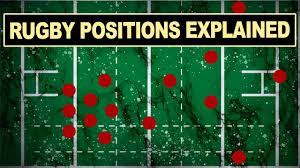
Rugby is a fast-paced and physically demanding sport played by two teams, each consisting of 15 players in the most common format known as rugby union. One of the most important aspects of understanding the game is learning about rugby positions. Each position has a specific role, responsibility, and skill set that contributes to the overall performance of the team.
For beginners, rugby positions may seem complex at first, but once you understand the structure, it becomes easier to follow the game and appreciate the strategies involved. This guide will explain all rugby positions in a simple and detailed way.
Overview of Rugby Positions
In Rugby, players are divided into two main groups:
- Forwards (Players 1–8)
- Backs (Players 9–15)
Each group plays a different role on the field. Forwards are generally responsible for physical contests like scrums and lineouts, while backs focus on speed, passing, and scoring tries.
The Forwards (Players 1–8)
Front Row (1–3)
The front row consists of three players:
- Loosehead Prop (1)
- Hooker (2)
- Tighthead Prop (3)
These players are crucial in scrums. The props provide strength and stability, while the hooker’s main job is to win the ball by hooking it back with their foot.
Second Row (4–5)
Also known as locks, these players are usually the tallest on the team. Their main roles include:
- Winning lineouts
- Providing power in scrums
- Supporting in open play
They are key players in securing possession of the ball.
Back Row (6–8)
The back row includes:
- Blindside Flanker (6)
- Openside Flanker (7)
- Number Eight (8)
These players are highly active and versatile. They tackle opponents, win the ball, and support both defense and attack. The Number Eight also controls the ball at the base of the scrum.
The Backs (Players 9–15)
Half-Backs (9–10)
These are the decision-makers of the team:
- Scrum-Half (9): Passes the ball from scrums and rucks
- Fly-Half (10): Controls the game, makes strategic decisions, and kicks
They play a key role in directing the flow of the match.
Centers (12–13)
The centers are responsible for both attack and defense:
- Inside Center (12)
- Outside Center (13)
They break through defensive lines, create scoring opportunities, and stop opposing players.
Back Three (11, 14, 15)
These players are usually the fastest on the team:
- Left Wing (11)
- Right Wing (14)
- Fullback (15)
Wingers focus on scoring tries, while the fullback defends against kicks and provides support from the back.
Skills Required for Each Position
Different rugby positions require different skills:
- Forwards: Strength, endurance, tackling ability
- Backs: Speed, agility, passing skills
- Half-backs: Decision-making and leadership
- Fullback: Awareness and defensive skills
Understanding these skills helps players choose the right position based on their abilities.
Importance of Teamwork
In Rugby, teamwork is essential. Each position depends on the others to perform effectively. For example, forwards win the ball, and backs use it to score. Without coordination, even the most skilled players cannot succeed.
Rugby Position Numbers Explained
Rugby positions are also identified by numbers:
- 1–8: Forwards
- 9–15: Backs
These numbers help players and fans quickly understand each player’s role on the field.
Differences Between Rugby Union and Rugby League
While this guide focuses on rugby union, it is important to note that rugby league has only 13 players per team and slightly different positions. However, the basic concept of forwards and backs remains similar.
Tips for Beginners
If you are new to rugby, here are some helpful tips:
- Learn the basic rules of the game
- Watch matches to understand positioning
- Practice passing and tackling
- Choose a position that suits your skills
- Focus on teamwork and communication
These tips can help you quickly improve your understanding of the game.
Why Understanding Rugby Positions Matters
Knowing rugby positions helps you:
- Understand the game better
- Appreciate team strategies
- Improve your playing skills
- Enjoy watching matches
It also allows players to develop their strengths and contribute effectively to the team.
Conclusion
Rugby is a dynamic and exciting sport that relies heavily on the roles of each player. Understanding rugby positions is key to enjoying and mastering the game. From the powerful forwards to the fast and strategic backs, every position plays an important role in the team’s success.
By learning the responsibilities and skills required for each position, beginners can gain confidence and develop a deeper appreciation for rugby. Whether you are a player or a fan, understanding these positions will enhance your overall experience of the sport.