
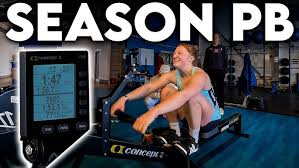
Rowing machine workouts have become increasingly popular in the fitness world due to their ability to provide a full-body workout in a short amount of time. Whether you are working out at home or in the gym, a rowing machine offers a unique combination of strength training and cardiovascular exercise. Unlike many other workout machines, rowing engages multiple muscle groups at once, making it one of the most efficient ways to improve overall fitness.
For beginners and experienced athletes alike, rowing machine workouts can be tailored to different fitness levels and goals. From weight loss to endurance building, this versatile equipment can help you achieve a wide range of results.
What Is a Rowing Machine?
A rowing machine, also known as an ergometer, is a fitness device designed to simulate the action of rowing a boat. It consists of a seat, handle, footrests, and a resistance mechanism that mimics water resistance.
During a workout, users perform a rowing motion that involves pushing with the legs, pulling with the arms, and engaging the core. This coordinated movement makes rowing one of the most effective full-body exercises.
Benefits of Rowing Machine Workouts
Rowing machine workouts offer numerous benefits that make them ideal for people of all fitness levels:
Full-Body Exercise
Rowing targets major muscle groups, including legs, back, arms, shoulders, and core. This makes it more effective than many single-focus exercises.
Cardiovascular Fitness
Rowing increases heart rate and improves cardiovascular endurance, helping reduce the risk of heart-related issues.
Low-Impact Workout
Unlike running, rowing is gentle on the joints, making it suitable for people with joint problems or injuries.
Weight Loss
Rowing burns a significant number of calories, making it an excellent choice for fat loss and weight management.
Improved Posture
Regular rowing strengthens the back and core muscles, promoting better posture.
Proper Rowing Technique
To get the most out of your workouts and avoid injury, it is important to use the correct technique. A rowing stroke consists of four main phases:
The Catch
Start with knees bent, arms extended, and body leaning slightly forward.
The Drive
Push with your legs while pulling the handle toward your body.
The Finish
Lean slightly back with the handle close to your chest.
The Recovery
Extend your arms, bend your knees, and return to the starting position.
Maintaining proper form ensures efficiency and reduces the risk of strain or injury.
Beginner Rowing Machine Workout
If you are new to rowing, start with a simple routine:
- 5 minutes warm-up at low intensity
- 10 minutes steady rowing
- 5 minutes cool-down
Focus on technique rather than speed. Gradually increase intensity as you become more comfortable.
Intermediate Workout Plan
Once you build basic endurance, try a more structured workout:
- 5 minutes warm-up
- 3 sets of 5-minute rowing at moderate intensity
- 2-minute rest between sets
- 5 minutes cool-down
This routine helps improve stamina and strength.
Advanced Rowing Workouts
For experienced users, high-intensity workouts can maximize results:
- Interval training (30 seconds fast, 1 minute slow)
- Long-distance rowing sessions (20–30 minutes)
- Power strokes with high resistance
These workouts challenge both strength and cardiovascular endurance.
Rowing for Weight Loss
Rowing machine workouts are highly effective for burning calories. A 30-minute session can burn between 200 and 400 calories depending on intensity and body weight.
To maximize weight loss:
- Combine rowing with a healthy diet
- Use interval training
- Stay consistent with workouts
Consistency is key to achieving long-term results.
Common Mistakes to Avoid
Many beginners make mistakes that reduce effectiveness or cause injury:
- Using only arms instead of full body
- Poor posture (slouching)
- Pulling too early before pushing with legs
- Setting resistance too high
Avoiding these mistakes will improve your performance and safety.
Tips for Better Results
To enhance your rowing workouts, consider these tips:
- Maintain proper posture
- Start with low resistance
- Focus on smooth, controlled movements
- Track your progress
- Stay hydrated
These simple adjustments can make a big difference in your fitness journey.
Rowing Machine vs Other Cardio Workouts
Compared to other cardio exercises, rowing offers unique advantages:
- Engages more muscles than running or cycling
- Lower impact on joints
- Combines strength and cardio training
- Suitable for all fitness levels
This makes rowing a highly efficient workout option.
Creating a Weekly Workout Plan
A balanced rowing workout schedule might look like this:
- 3–4 days of rowing workouts
- 1–2 days of rest or light activity
- Mix of steady-state and interval training
This approach ensures recovery while maintaining progress.
Conclusion
Rowing machine workouts are one of the most effective ways to improve overall fitness, combining strength, endurance, and cardiovascular benefits in one exercise. Whether you are a beginner or an advanced athlete, rowing can be adapted to meet your goals.
By focusing on proper technique, following structured workout plans, and staying consistent, you can achieve excellent results. With its low-impact nature and full-body engagement, the rowing machine is a valuable addition to any fitness routine.