
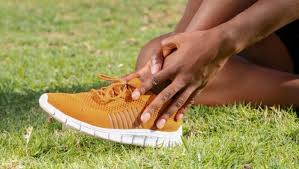
Choosing the right footwear is not just about fashion; it is about protecting your overall health. Your feet support your entire body, and wearing improper shoes can lead to discomfort, pain, and long-term health issues. That is why many experts strongly suggest investing in podiatrist recommended shoes. These shoes are specifically designed to provide proper support, cushioning, and stability, helping you maintain healthy feet and good posture. Whether you walk a lot, stand for long hours, or suffer from foot problems, the right shoes can significantly improve your daily comfort and mobility.
Why Podiatrist Recommended Shoes Are Important
Podiatrists are specialists who understand the structure and function of the feet. According to them, wearing the wrong shoes can lead to various issues such as heel pain, arch strain, and even back problems. Shoes that lack support can cause your feet to roll inward or outward, which affects your body alignment. Over time, this can result in discomfort in your knees, hips, and spine. Podiatrist recommended shoes are designed to correct these problems by offering proper alignment, shock absorption, and pressure distribution. They help reduce strain on your feet and prevent injuries, making them essential for both daily use and physical activities.
Key Features of Podiatrist Recommended Shoes
When selecting the right pair, it is important to understand the features that make shoes podiatrist-approved. One of the most important elements is arch support. Good arch support ensures that your weight is evenly distributed across your feet, reducing pressure on specific areas. Cushioning is another key factor, as it absorbs shock and provides comfort during walking or running. Stability is also crucial because it prevents excessive foot movement and keeps your stride balanced. A wide toe box allows your toes to move freely, avoiding crowding and discomfort. Lastly, a firm yet flexible sole provides the right balance between support and mobility, ensuring a natural walking motion.
Types of Podiatrist Recommended Shoes
There are different types of shoes recommended by podiatrists based on individual needs. Walking shoes are ideal for daily use and long hours of standing, offering comfort and support. Running shoes are designed with extra cushioning and shock absorption to handle high-impact activities. Orthopedic shoes are specifically made for people with foot conditions and provide maximum support and correction. Sandals with proper arch support are also available for warmer climates, offering both comfort and breathability. Choosing the right type depends on your lifestyle and foot requirements.
Best Shoes for Common Foot Problems
Different foot conditions require different types of shoes. For people with plantar fasciitis, shoes with strong arch support and cushioning are highly recommended. Those with flat feet need stability shoes that prevent overpronation and improve alignment. Individuals with high arches benefit from cushioned shoes that provide extra shock absorption. If you have bunions, it is important to choose shoes with a wide toe box to reduce pressure on the affected area. For general foot pain, shoes with a combination of support, cushioning, and stability are the best choice.
Benefits of Wearing Podiatrist Recommended Shoes
Wearing the right shoes offers numerous benefits beyond just comfort. One of the main advantages is pain relief, as proper support reduces stress on the feet and joints. These shoes also improve posture by aligning your body correctly, which can prevent back and knee problems. They enhance mobility, making it easier to walk, run, or stand for long periods without discomfort. Additionally, podiatrist recommended shoes can prevent future foot problems by providing the necessary protection and support your feet need every day.
Common Mistakes to Avoid
Many people make mistakes when choosing shoes, which can lead to discomfort and health issues. One common mistake is prioritizing style over comfort, resulting in poor support. Another mistake is wearing the wrong size, as shoes that are too tight or too loose can cause blisters and pain. Ignoring arch support is also a major issue, especially for people with flat feet or high arches. Some individuals choose overly soft shoes that lack structure, which can lead to instability. Avoiding these mistakes is essential for maintaining healthy feet.
Tips for Choosing the Right Shoes
Selecting the perfect pair requires careful consideration. Always measure your feet before buying shoes, as size can change over time. Try shoes in the evening when your feet are slightly swollen to ensure a better fit. Walk around in the shoes to test comfort and support before making a purchase. Look for high-quality materials that offer durability and breathability. It is also helpful to replace your shoes regularly, as worn-out shoes lose their support and effectiveness over time.
How to Maintain Your Shoes for Long-Term Use
Proper maintenance can extend the life of your shoes and keep them effective. Clean your shoes regularly to remove dirt and bacteria. Store them in a cool, dry place to prevent damage. Use insoles if needed to enhance comfort and support. Rotating between different pairs can also help maintain their structure and prevent excessive wear. Taking care of your shoes ensures that they continue to provide the support your feet need.
Conclusion
Podiatrist recommended shoes are an essential investment for anyone who values comfort and foot health. They provide the necessary support, cushioning, and stability to keep your feet healthy and pain-free. By understanding the key features and choosing the right type of shoes, you can improve your posture, reduce discomfort, and prevent future problems. Whether you are dealing with a specific foot condition or simply want better everyday comfort, the right footwear can make a significant difference in your life. Prioritize your foot health today and experience the benefits of wearing shoes designed with your well-being in mind.