
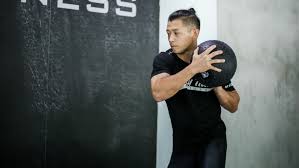
Fitness training has evolved significantly over the years, with many tools and techniques developed to improve strength, coordination, and endurance. One of the most effective and versatile training tools used in gyms and home workouts is the medicine ball. Medicine ball workouts are widely used by athletes, trainers, and fitness enthusiasts because they help build power, improve balance, and strengthen multiple muscle groups at the same time.
Medicine ball exercises involve performing strength and conditioning movements using a weighted ball. These exercises can target the core, upper body, and lower body while also improving coordination and flexibility. Unlike traditional gym machines that isolate muscles, medicine ball training often involves dynamic movements that activate several muscles simultaneously.
Medicine ball workouts can be adapted for people of different fitness levels. Beginners can start with lighter balls and basic movements, while advanced athletes can perform explosive exercises such as throws, slams, and rotational movements.
What Is a Medicine Ball
A medicine ball is a weighted exercise ball used for strength training, conditioning, and rehabilitation. These balls are typically made from rubber, leather, or synthetic materials and come in different weights ranging from about 2 kilograms to more than 10 kilograms.
The purpose of a medicine ball is to add resistance to various movements. Because it is easy to hold, throw, and move, the ball allows for many types of exercises that improve both strength and coordination. Medicine balls are often used in functional training because they mimic real-life movements such as lifting, twisting, and throwing.
Fitness professionals often recommend medicine balls because they can be used in many ways without requiring large equipment or machines.
Benefits of Medicine Ball Training
Medicine ball exercises offer many benefits that make them popular in fitness programs.
One major benefit is full-body activation. Many medicine ball movements require coordination between the arms, legs, and core muscles. This helps strengthen multiple muscle groups at the same time.
Another benefit is improved core strength. Many exercises involve twisting, balancing, or stabilizing the body while holding the ball. These movements strengthen abdominal and lower back muscles, which are important for posture and injury prevention.
Medicine ball training also improves athletic performance. Athletes in sports such as basketball, football, and tennis use medicine ball exercises to develop explosive power and faster movements.
Additionally, medicine ball workouts are convenient because they require minimal equipment and can be performed at home, in a gym, or outdoors.
Medicine Ball Slams
One of the most popular Medicine Ball Slam movements is the medicine ball slam. This exercise is excellent for building power, improving coordination, and releasing stress.
To perform a medicine ball slam, stand with your feet shoulder-width apart while holding the ball above your head. Then bring the ball down forcefully toward the ground while bending your knees and engaging your core muscles.
The movement should be powerful and controlled. After the ball bounces back, pick it up and repeat the exercise.
This exercise works the shoulders, arms, core, and legs while also increasing heart rate, making it useful for both strength and cardio training.
Russian Twists With Medicine Ball
Another effective exercise is the Russian Twist, which focuses on core strength and rotational movement.
To perform this exercise, sit on the floor with your knees bent and feet slightly lifted off the ground. Hold the medicine ball with both hands and lean your upper body slightly backward.
Slowly rotate your torso to one side while moving the ball beside your hip. Then rotate to the opposite side. Continue alternating sides in a controlled motion.
This exercise strengthens the oblique muscles and improves rotational stability, which is important for sports that involve twisting movements.
Medicine Ball Squats
Squats are a fundamental lower-body exercise, and adding a medicine ball can increase their effectiveness.
To perform medicine ball squats, hold the ball close to your chest while standing with your feet shoulder-width apart. Slowly bend your knees and lower your body into a squat position while keeping your back straight.
Then push through your heels to return to the standing position.
This exercise strengthens the legs, glutes, and core while improving balance and stability.
Medicine Ball Chest Pass
The Chest Pass is an explosive exercise often used in athletic training.
Stand facing a wall or a workout partner while holding the medicine ball at chest level. Push the ball forward quickly using both hands, similar to a basketball pass.
If using a wall, catch the ball as it rebounds and repeat the movement. This exercise helps develop upper-body power and coordination.
It is particularly useful for athletes who need strong pushing movements, such as basketball players and football players.
Overhead Medicine Ball Throws
Overhead throws are another dynamic medicine ball exercise that builds strength and power.
To perform this movement, hold the ball above your head with both hands. Bend your knees slightly and throw the ball forward or downward using a strong motion.
This exercise activates the shoulders, arms, and core muscles while also improving explosive strength.
Many athletes use overhead throws to train for sports that require powerful upper-body movements.
Tips for Beginners
Beginners should start with lighter medicine balls to learn proper technique before increasing weight. Using a ball that is too heavy can reduce control and increase the risk of injury.
Focus on maintaining proper posture during exercises. Keeping the back straight and engaging the core helps protect the spine and improves the effectiveness of the workout.
It is also important to perform movements slowly at first. As strength and coordination improve, the speed and intensity of the exercises can gradually increase.
Practicing medicine ball exercises regularly can help develop strength, endurance, and overall fitness.
Safety Considerations
While medicine ball exercises are generally safe, it is important to use proper technique. Poor form can lead to muscle strain or injury.
Always warm up before starting a workout to prepare muscles and joints for movement. Stretching and light cardio activities can help reduce the risk of injury.
When performing throwing exercises, make sure there is enough space around you to avoid hitting objects or other people.
Choosing the right weight and performing exercises under supervision can also help beginners train safely.
Why Medicine Ball Workouts Are Popular
Medicine ball workouts have become increasingly popular in modern fitness programs. Trainers often include them in functional training routines because they improve strength while also enhancing coordination and balance.
These exercises can easily be incorporated into different workout styles, including strength training, high-intensity interval training, and athletic conditioning.
The versatility of medicine balls allows people to perform a wide variety of movements that keep workouts interesting and challenging.
Conclusion
Medicine ball exercises are a versatile and effective way to improve strength, coordination, and overall fitness. By using a weighted ball, these exercises add resistance to dynamic movements that activate multiple muscle groups at once.
Exercises such as medicine ball slams, Russian twists, squats, chest passes, and overhead throws provide a full-body workout while improving athletic performance. Because they require minimal equipment, medicine ball workouts can easily be performed at home or in the gym.
With proper technique and regular practice, medicine ball exercises can help people build stronger muscles, improve balance, and enjoy more engaging and effective workouts.