
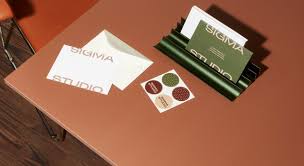
In the professional world, presentation and branding play a vital role in how a company is perceived by customers, partners, and stakeholders. While digital communication has become more common, traditional printed materials still hold significant importance in professional interactions. One of the most essential elements of corporate communication is business stationery. These materials represent a company’s identity and help create a professional image in both internal and external communications.
Business stationery refers to the printed materials that organizations use for daily operations and official correspondence. Items such as business cards, letterheads, envelopes, and notepads are common examples. These materials typically include the company’s logo, colors, and contact information, helping reinforce brand identity. When designed effectively, business stationery communicates professionalism, reliability, and attention to detail.
For both small startups and established companies, investing in well-designed business stationery can contribute to a stronger brand presence. Whether used during meetings, conferences, or customer interactions, these materials help businesses maintain consistent branding and build credibility in competitive markets.
What Is Business Stationery?
Business stationery includes a wide range of printed materials used by organizations for communication and administrative purposes. These items are usually customized with the company’s branding elements such as logos, fonts, and corporate colors. The primary purpose of business stationery is to provide a consistent visual identity across all official documents and communication tools.
Traditional examples of business stationery include letterheads used for official correspondence, envelopes for mailing documents, and business cards for networking. In addition to these standard items, many companies also produce custom notebooks, presentation folders, and branded sticky notes. These materials help ensure that all company communications reflect a unified brand image.
Even in the digital age, printed business stationery remains valuable because it creates a tangible connection between the company and its clients. Receiving a well-designed business card or official letter on branded stationery often leaves a stronger impression than digital communication alone.
Importance of Business Stationery in Branding
Branding is one of the most important aspects of modern business, and business stationery plays a significant role in maintaining a consistent brand identity. Every time a company sends a letter, hands out a business card, or distributes printed materials, it reinforces its brand in the minds of recipients.
A well-designed stationery set ensures that all communication materials share the same visual elements. This consistency helps build brand recognition and makes the company appear more professional. When customers repeatedly see the same logo, colors, and typography, they begin to associate those elements with the company’s reputation and services.
In addition to improving brand recognition, business stationery also demonstrates attention to detail. Companies that invest in high-quality stationery often appear more organized and reliable. This perception can positively influence customer trust and increase the likelihood of successful business relationships.
Common Types of Business Stationery
There are several essential items that make up a typical business stationery set. Each item serves a specific purpose in professional communication and helps reinforce the company’s branding.
Business cards are perhaps the most recognizable form of business stationery. These small cards contain key contact information such as the company name, employee title, phone number, email address, and website. Business cards are widely used during networking events, meetings, and conferences.
Letterheads are another important element of business stationery. A letterhead is a printed heading at the top of official documents that includes the company’s logo and contact details. Using letterheads for official correspondence ensures that documents appear professional and authentic.
Envelopes are often customized to match the design of letterheads. Branded envelopes enhance the appearance of mailed documents and make them easily identifiable as company communications.
Notepads, folders, and presentation materials are also commonly included in business stationery sets. These items are particularly useful during meetings or corporate events where organized documentation is required.
Designing Effective Business Stationery
Design plays a crucial role in the effectiveness of business stationery. The design should reflect the company’s brand identity while remaining clear, professional, and visually appealing. One of the most important design elements is the company logo, which should appear consistently across all stationery items.
Color selection is another important factor. Many businesses use specific brand colors to maintain consistency in their marketing materials. These colors should be incorporated into stationery designs to reinforce brand recognition.
Typography also contributes to the overall appearance of business stationery. Choosing readable and professional fonts ensures that information is easy to understand while maintaining a polished appearance.
Spacing and layout should be carefully planned as well. A clean and organized design helps prevent clutter and ensures that important information is clearly visible. High-quality printing and durable paper materials further enhance the professional appearance of business stationery.
Benefits of High-Quality Business Stationery
Using high-quality business stationery offers several advantages for companies. One of the most significant benefits is improved professionalism. When businesses present themselves with well-designed materials, they demonstrate that they value quality and attention to detail.
Another benefit is improved brand recognition. Consistent branding across all stationery items helps customers remember the company and associate its visual identity with positive experiences.
High-quality stationery also contributes to better communication. Official documents printed on professional letterheads are often taken more seriously than plain documents. This is especially important in industries where trust and credibility are essential.
Additionally, business stationery can serve as a subtle marketing tool. Every time a business card or branded notepad is shared, it introduces the company to potential clients or partners. Over time, these small interactions can lead to valuable business opportunities.
Business Stationery for Small Businesses
While large corporations often invest heavily in branding materials, business stationery is equally important for small businesses and startups. In fact, professional stationery can help smaller companies compete with larger organizations by presenting a polished and credible image.
For small businesses, basic stationery items such as business cards, letterheads, and envelopes are usually sufficient to establish a professional presence. As the company grows, additional items like branded folders, notebooks, and marketing materials can be added.
Affordable printing services and online design tools have made it easier than ever for small businesses to create customized stationery. Even companies with limited budgets can produce professional-looking materials that enhance their brand image.
Digital vs Printed Business Stationery
In recent years, digital communication tools have reduced the reliance on printed documents in many industries. However, business stationery continues to play an important role alongside digital communication.
Printed stationery provides a physical representation of the brand, which can leave a stronger impression than digital files. For example, exchanging business cards during a meeting often feels more personal than sharing contact information electronically.
At the same time, many companies now combine traditional stationery with digital alternatives. Digital letterheads, email signatures, and electronic documents allow businesses to maintain consistent branding even in online communication.
This hybrid approach ensures that companies benefit from both traditional and digital branding methods while maintaining a consistent visual identity across all platforms.
Future Trends in Business Stationery
As businesses continue to evolve, the role of business stationery is also changing. One emerging trend is the use of eco-friendly materials. Many companies are choosing recycled paper, sustainable inks, and environmentally friendly printing processes to reduce their environmental impact.
Another trend involves minimalist design. Modern business stationery often features clean layouts, simple color schemes, and minimal text to create a sophisticated appearance.
Technology is also influencing stationery design. Some companies are incorporating QR codes into their business cards and printed materials, allowing recipients to access websites or contact information instantly.
These trends demonstrate that business stationery remains relevant even in an increasingly digital world. By adapting to modern design practices and sustainability initiatives, companies can continue to use stationery as a powerful branding tool.
Conclusion
Business stationery remains an essential component of professional branding and communication. From business cards and letterheads to envelopes and presentation materials, these items help companies present a consistent and professional image. Well-designed stationery not only improves brand recognition but also strengthens customer trust and credibility.
In an era dominated by digital communication, printed materials still provide a tangible connection between businesses and their audiences. By investing in high-quality business stationery and maintaining consistent design elements, organizations can enhance their professional presence and create lasting impressions in every interaction