
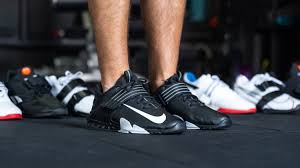
Weightlifting is one of the most effective ways to build strength, improve muscle mass, and enhance athletic performance. However, the type of footwear used during training plays a crucial role in stability and safety. The best weightlifting shoes are designed specifically to provide a firm base, better balance, and improved lifting mechanics. Unlike regular running shoes, weightlifting shoes have a solid heel and minimal cushioning, which helps prevent instability when lifting heavy weights.
Many beginners overlook the importance of proper lifting shoes and train using soft sneakers. Unfortunately, soft shoes compress under heavy loads and reduce power transfer. A good pair of weightlifting shoes helps lifters stay balanced and maintain correct posture during exercises such as squats, deadlifts, and Olympic lifts.
Why Weightlifting Shoes Are Important
Weightlifting shoes are specially designed to provide stability, grip, and support. When performing heavy lifts, maintaining balance is extremely important. Shoes with soft foam soles can compress under weight, causing instability and increasing the risk of injury.
Weightlifting shoes solve this problem by using firm midsoles and rigid heels. These features allow lifters to transfer force directly into the ground without losing energy. Many lifting shoes also have raised heels that help lifters maintain an upright posture during squats and Olympic lifts. This improves depth, balance, and overall lifting technique.
According to fitness gear reviews, lifting shoes with solid heels and wide bases help lifters remain stable even during heavy squats and Olympic lifts.
Key Features of Good Weightlifting Shoes
Before choosing the best weightlifting shoes, it is important to understand the features that make them effective.
Raised Heel
Most weightlifting shoes have a slightly elevated heel. This heel lift helps improve squat depth and allows lifters to maintain a more upright torso. It is especially useful for Olympic lifts like the clean and jerk.
Hard and Stable Sole
A rigid sole is essential for lifting heavy weights. Unlike running shoes, lifting shoes are designed not to compress under pressure. This provides better balance and stability.
Midfoot Straps
Many lifting shoes include straps across the midfoot. These straps keep the foot securely locked in place, preventing movement inside the shoe during lifts.
Wide Base
Weightlifting shoes often have a wider base compared to regular athletic shoes. This helps distribute weight evenly and increases stability when performing heavy lifts.
Top Weightlifting Shoes
Nike Romaleos 4
The Nike Romaleos 4 is one of the most popular shoes for serious weightlifters. It features a wide base, rigid heel, and dual straps that lock the foot securely in place. These features provide excellent stability during heavy squats and Olympic lifts.
This shoe is designed for maximum performance and is commonly used by experienced lifters and competitive athletes.
Adidas Powerlift 5
The Adidas Powerlift 5 is a great option for beginners and intermediate lifters. It provides a stable base and raised heel while remaining affordable compared to many premium lifting shoes.
Fitness reviews highlight that its high-density midsole and midfoot strap help create a solid platform for squats and strength training.
Reebok Legacy Lifter III
The Reebok Legacy Lifter III is often recommended for Olympic weightlifting and deep squats. It features a dual-strap design and durable construction that keeps the foot secure during heavy lifts.
Reviews highlight its strong heel support and excellent traction, which help lifters feel grounded and balanced during training sessions.
Nike Metcon 10
The Nike Metcon 10 is known for its versatility. Unlike traditional lifting shoes, it works well for both weightlifting and cross-training workouts. It provides a stable base while still allowing flexibility for other gym exercises.
Testing has shown that the shoe maintains stability during heavy lifts while still supporting dynamic workouts like box jumps and sled pushes.
Adidas Adipower 3
The Adidas Adipower 3 is designed for advanced lifters who want strong support during Olympic lifts. The shoe features a durable upper and TPU midsole that helps maintain stability during heavy training.
Many experienced lifters prefer this model because it provides excellent balance and foot security.
Budget Weightlifting Shoe Options
Not everyone needs to spend a lot of money on lifting shoes. Several affordable models still provide excellent stability and performance.
For example, budget-friendly training shoes can still offer strong support and firm midsoles that work well for most gym workouts. Some fitness experts recommend entry-level lifting shoes for beginners before investing in premium models.
Affordable lifting shoes often include the same essential features, such as straps, raised heels, and durable outsoles.
Tips for Choosing the Right Weightlifting Shoes
Choosing the best weightlifting shoes depends on your training style and experience level.
Consider Your Training Type
If you mainly perform squats and Olympic lifts, a shoe with a raised heel and rigid sole is ideal. For mixed workouts that include cardio or functional training, a more versatile cross-training shoe may be better.
Check Fit and Comfort
Weightlifting shoes should fit snugly but not too tight. Your foot should feel secure without excessive movement inside the shoe.
Think About Heel Height
Different lifting shoes have different heel heights. Beginners may prefer moderate heel elevation, while advanced lifters may choose higher heels for deeper squats.
Durability Matters
Weightlifting shoes are an investment. High-quality models often last for several years because they are used only during lifting sessions rather than daily activities.
Common Mistakes When Buying Lifting Shoes
Many beginners make the mistake of using running shoes for weightlifting. Running shoes have soft cushioning designed for impact absorption, not stability. This cushioning compresses under heavy loads and reduces balance.
Another mistake is buying shoes that are too flexible. Lifting shoes should feel firm and supportive, not soft like casual sneakers.
Finally, some people choose shoes based only on style. While appearance may matter, stability and performance should always be the priority.
Benefits of Training With Proper Lifting Shoes
Using proper lifting shoes can significantly improve performance and safety. Stable footwear allows lifters to push more power into the ground and maintain proper posture during exercises.
Improved stability can also help prevent injuries caused by poor balance or unstable footing. Many lifters notice better squat depth and stronger lifts after switching to proper weightlifting shoes.
Over time, the improved technique and stability can lead to better strength gains and more effective training sessions.
Conclusion
The best weightlifting shoes provide stability, support, and improved lifting mechanics. Unlike regular athletic shoes, lifting shoes feature rigid soles, raised heels, and secure straps that help lifters maintain balance during heavy workouts.
Popular models such as the Nike Romaleos 4, Adidas Powerlift 5, Reebok Legacy Lifter III, Nike Metcon 10, and Adidas Adipower 3 offer excellent options for different training styles and budgets.
Choosing the right lifting shoes can make a noticeable difference in performance and comfort during strength training. Whether you are a beginner or an experienced lifter, investing in proper footwear can help you lift safer, stronger, and more confidently. 💪