
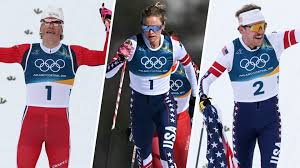
Cross-country skiing is one of the most iconic and physically demanding sports in the Winter Olympics. At the Milano Cortina 2026 Winter Olympics, this discipline once again took center stage, showcasing endurance, strategy, and world-class athletic performance. Held across the scenic alpine landscapes of Italy, cross-country skiing events attracted global attention and featured some of the best athletes in the world.
The 2026 Games marked an important evolution in the sport, with equal race distances for men and women and a packed schedule of exciting competitions.
Overview of Cross-Country Skiing at Milano Cortina 2026
Cross-country skiing at the Milano Cortina 2026 Winter Olympics took place from February 7 to February 22, 2026, featuring a total of 12 events—six for men and six for women.
For the first time in Olympic history, male and female athletes competed over the same distances, marking a major step toward gender equality in winter sports.
Venue and Location
All cross-country skiing events were held at the Cross-Country and Biathlon Center in Tesero, located in the Val di Fiemme region of Italy.
This venue is known for its challenging terrain, high-altitude conditions, and beautiful alpine surroundings. It has previously hosted major international competitions, making it a perfect location for Olympic-level events.
Event Types and Categories
Cross-country skiing at the Olympics includes multiple race formats, each testing different skills:
Skiathlon
A combination race where athletes compete using both classical and freestyle techniques. The event opened the competition on February 7 (women) and February 8 (men).
Sprint Events
Short-distance races that require explosive speed and tactical positioning. These events are fast-paced and highly competitive.
Individual Distance Races
Athletes compete against the clock in races such as:
- 10 km (freestyle or classical)
These races focus on endurance and pacing.
Relay Events
Team-based competitions where athletes take turns completing sections of the race. Teamwork and coordination are key.
Team Sprint
Pairs of athletes alternate laps in a fast and strategic race format.
Mass Start Races
Long-distance races (including the 50 km events) where all athletes start together. These are among the most demanding events in the sport.
Competition Schedule Highlights
Cross-country skiing events were spread throughout the Olympic schedule:
- Feb 7–8: Skiathlon events
- Feb 10: Sprint competitions
- Feb 12–13: Individual 10 km races
- Feb 14–15: Relay events
- Feb 18: Team sprint finals
- Feb 21–22: 50 km mass start races
This schedule ensured continuous excitement and gave athletes time to recover between races.
Athletes and Key Performances
The Milano Cortina 2026 Winter Olympics featured top cross-country skiers from around the world. Legendary athletes and rising stars competed for medals, delivering unforgettable performances.
For example, Swedish skier Ebba Andersson won gold in the women’s 50 km race, marking a historic achievement.
Other nations like Norway, the United States, and Switzerland also performed strongly, making the competition highly competitive and diverse.
Importance of Cross-Country Skiing in the Olympics
Cross-country skiing is one of the oldest Winter Olympic sports and represents the core of Nordic skiing traditions. It requires a unique combination of:
- Endurance
- Strength
- Technique
- Strategy
The sport is often seen as one of the toughest Olympic disciplines due to its physical demands and long race distances.
Challenges Faced by Athletes
Competing in cross-country skiing at the Olympic level comes with several challenges:
- Harsh weather conditions
- High-altitude terrain
- Physically demanding courses
- Tactical race strategies
Reports from the event highlighted how difficult the courses were, with steep climbs and intense endurance requirements pushing athletes to their limits.
Innovations and Changes in 2026
The 2026 Olympics introduced several important updates to cross-country skiing:
- Equal race distances for men and women
- Improved course design for fairness and competition
- Enhanced broadcasting and global coverage
These changes helped modernize the sport and make it more inclusive and engaging for audiences worldwide.
Why Fans Love Cross-Country Skiing
Cross-country skiing continues to attract fans because of:
- Intense competition and close finishes
- Scenic and natural race environments
- High levels of athletic endurance
- Strategic racing tactics
The combination of physical effort and tactical decision-making makes every race exciting to watch.
Future of Cross-Country Skiing
The success of cross-country skiing at the Milano Cortina 2026 Winter Olympics highlights a bright future for the sport. With increasing global participation and advancements in training and technology, the sport is expected to grow even further.
Future Olympics may continue to innovate with new formats, improved equality, and enhanced viewing experiences for fans.
Conclusion
Cross-country skiing at the Milano Cortina 2026 Winter Olympics was a showcase of endurance, skill, and determination. From the challenging alpine courses in Tesero to the thrilling race formats, the sport delivered unforgettable moments for athletes and fans alike.
With 12 competitive events, historic achievements, and exciting innovations, cross-country skiing proved once again why it remains a cornerstone of the Winter Olympics. As the sport continues to evolve, its legacy of excellence and endurance will inspire future generations of athletes around the world.




Leave a Reply