
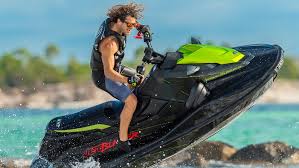
Jet skiing is one of the most exciting and popular water sports in the world. It combines speed, adventure, and the thrill of riding across open water. Whether you are on a calm lake or riding waves at the beach, jet skiing offers an unforgettable experience for both beginners and experienced riders.
This water activity has gained massive popularity due to its accessibility and fun factor. Unlike many other water sports, jet skiing does not require extensive training, making it ideal for people who want to enjoy quick and thrilling adventures. However, understanding the basics, safety measures, and proper techniques is essential to fully enjoy this activity.
What Is Jet Skiing?
Jet skiing refers to riding a personal watercraft (PWC), commonly known as a jet ski, across water surfaces. The term “Jet Ski” is actually a brand name by Kawasaki, but it is widely used to describe all similar watercraft.
These machines are powered by a jet propulsion system that pushes water out at high speed, allowing the rider to move forward. Riders can sit or stand depending on the type of jet ski, and control the direction using handlebars similar to a motorcycle.
History of Jet Skiing
Jet skiing began in the 1970s when Kawasaki introduced the first stand-up personal watercraft. Over time, the design evolved into sit-down models, which are more stable and beginner-friendly.
As technology improved, jet skis became faster, safer, and more comfortable. Today, they are widely used for recreation, racing, and even rescue operations.
Types of Jet Skis
There are different types of jet skis available, each designed for specific purposes:
Recreational Jet Skis
These are ideal for beginners and casual riders. They are stable, easy to control, and perfect for family use.
Performance Jet Skis
Designed for speed and agility, these models are suitable for experienced riders who enjoy high-speed adventures.
Luxury Jet Skis
These offer advanced features like comfortable seating, sound systems, and extra storage, providing a premium experience.
Stand-Up Jet Skis
These require balance and skill, making them more suitable for advanced riders who enjoy tricks and stunts.
How Jet Skis Work
Jet skis use a jet propulsion system instead of a traditional propeller. Water is sucked into the machine and expelled at high pressure, pushing the jet ski forward.
The rider controls speed using a throttle and steers using handlebars. Unlike cars, jet skis require acceleration to turn, which makes handling unique and exciting.
Safety Tips for Jet Skiing
Safety is extremely important when participating in jet skiing. Here are some essential tips:
- Always wear a life jacket
- Follow local water regulations
- Maintain a safe distance from other riders
- Avoid high speeds in crowded areas
- Never ride under the influence of alcohol
- Be aware of weather conditions
Following these rules ensures a safe and enjoyable experience for everyone.
Benefits of Jet Skiing
Jet skiing is not just about fun—it also offers several benefits:
- Stress Relief: Being on the water helps relax the mind
- Physical Activity: Improves balance and coordination
- Adventure: Provides an adrenaline rush
- Social Experience: Great for group outings and family fun
These benefits make jet skiing a popular choice for both recreation and fitness.
Cost of Jet Skiing
The cost of jet skiing depends on several factors:
- Rental: Usually ranges from $50 to $150 per hour
- Purchase: Buying a jet ski can cost between $5,000 and $20,000
- Maintenance: Includes fuel, repairs, and storage
For beginners, renting is a good option before deciding to purchase one.
Best Places for Jet Skiing
Jet skiing can be enjoyed in various locations:
- Beaches and oceans
- Lakes and rivers
- Resorts and tourist destinations
Popular destinations around the world offer jet skiing as a major attraction, making it easy to try during vacations.
Tips for Beginners
If you are new to jet skiing, keep these tips in mind:
- Start slowly and practice basic controls
- Take a short training session if available
- Choose calm waters for your first ride
- Keep both hands on the handlebars
- Stay relaxed and maintain balance
With practice, you will gain confidence and improve your skills.
Environmental Considerations
While jet skiing is fun, it is important to respect the environment:
- Avoid disturbing wildlife
- Do not litter in water
- Follow designated riding areas
- Use eco-friendly practices
Responsible riding helps preserve natural water bodies for future generations.
Future of Jet Skiing
The future of jet skiing looks promising with advancements in technology. Electric jet skis are being developed to reduce environmental impact. Improved safety features and smart systems are also making the sport more accessible and secure.
As innovation continues, jet skiing will become even more exciting and sustainable.
Conclusion
Jet skiing is an exciting and accessible water sport that offers speed, adventure, and relaxation. Whether you are a beginner or an experienced rider, it provides a unique way to enjoy the water.
By understanding the basics, following safety guidelines, and practicing regularly, you can make the most of your jet skiing experience. With its growing popularity and technological advancements, jet skiing continues to be one of the most thrilling activities for water lovers around the world.




Leave a Reply