
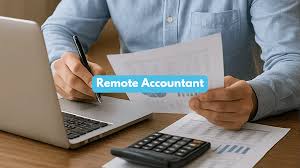
Remote bookkeeping jobs have become one of the fastest-growing career options in the digital economy. As businesses continue to move their operations online, the demand for skilled professionals who can manage financial records remotely is increasing rapidly. These jobs allow individuals to work from home while handling important financial tasks such as recording transactions, managing invoices, and preparing reports. For students, freelancers, and professionals looking for flexible work opportunities, remote bookkeeping offers a reliable and scalable career path. The best part is that you do not always need a high-level degree to get started, as many roles focus more on practical skills and software knowledge.
What Are Remote Bookkeeping Jobs
Remote bookkeeping jobs involve managing a company’s financial data without being physically present in an office. Bookkeepers are responsible for maintaining accurate records of all financial transactions, ensuring that income and expenses are properly tracked. This includes tasks like data entry, bank reconciliation, payroll support, and preparing financial summaries. Since everything is done online, communication with clients or employers usually happens through emails, video calls, or project management tools. This type of job is ideal for people who prefer working independently and want the freedom to work from anywhere.
Why Remote Bookkeeping Jobs Are in Demand
The demand for remote bookkeeping jobs is growing because businesses are shifting toward digital solutions. Small and medium-sized businesses, in particular, prefer hiring remote bookkeepers as it reduces operational costs. Instead of maintaining an in-house accounting department, companies can outsource their bookkeeping needs to remote professionals. Additionally, cloud-based accounting software has made it easier to access financial data from anywhere, which supports the remote work model. This trend is expected to continue, making bookkeeping a stable and future-proof career option.
Skills Required for Remote Bookkeeping Jobs
To succeed in remote bookkeeping jobs, certain skills are essential. A basic understanding of accounting principles is the foundation, as it helps in managing financial records accurately. Knowledge of accounting software such as QuickBooks, Xero, and Microsoft Excel is also crucial. Attention to detail is another important skill, as even small errors can lead to major financial discrepancies. Communication skills are necessary for interacting with clients and understanding their requirements. Time management is equally important because remote work often involves handling multiple clients or tasks simultaneously.
Tools Used in Remote Bookkeeping
Remote bookkeepers rely on various digital tools to perform their tasks efficiently. Accounting software like QuickBooks and Xero helps in managing transactions and generating reports. Spreadsheet tools such as Microsoft Excel or Google Sheets are used for organizing and analyzing data. Communication platforms like Zoom, Slack, and email are used to stay connected with clients. Additionally, cloud storage services like Google Drive or Dropbox allow secure sharing of financial documents. These tools make it possible to work smoothly from any location.
Types of Remote Bookkeeping Jobs
There are different types of remote bookkeeping jobs available depending on your experience and preferences. Entry-level positions are suitable for beginners who are just starting and want to gain experience. Freelance bookkeeping allows individuals to work with multiple clients and set their own rates. Part-time roles are ideal for those who want flexible hours, while full-time positions offer more stability and consistent income. Some bookkeepers also specialize in specific industries, which can increase their earning potential and demand.
Salary and Earning Potential
The earning potential in remote bookkeeping jobs varies based on experience, skills, and the type of work. Beginners can expect to earn a modest hourly rate, while experienced professionals can charge significantly higher fees. Freelancers often have the advantage of increasing their income by working with multiple clients. In addition to hourly rates, some bookkeepers charge fixed monthly fees for their services. With the right skills and experience, remote bookkeeping can become a highly profitable career.
How to Start Remote Bookkeeping
Starting a career in remote bookkeeping requires a step-by-step approach. First, it is important to learn the basics of accounting and bookkeeping. This can be done through online courses or self-study. Next, gaining proficiency in accounting software is essential. Creating a professional resume and portfolio can help in showcasing your skills to potential clients or employers. Beginners can start by applying for entry-level jobs or offering services on freelancing platforms. Building experience and maintaining good client relationships can lead to long-term success.
Benefits of Remote Bookkeeping Jobs
One of the biggest advantages of remote bookkeeping jobs is flexibility. You can work from home and set your own schedule, which makes it easier to maintain a work-life balance. Another benefit is the opportunity to work with clients from different parts of the world, which can increase your exposure and income. Remote work also eliminates commuting time and expenses, making it more convenient and cost-effective. Additionally, bookkeeping is a skill that remains in demand, providing job security and growth opportunities.
Challenges in Remote Bookkeeping
Despite its advantages, remote bookkeeping also comes with some challenges. One of the main issues is competition, as many people are entering this field. Staying updated with the latest tools and trends is necessary to remain competitive. Another challenge is maintaining accuracy and meeting deadlines, especially when handling multiple clients. There is also a risk of encountering scams in online job listings, so it is important to verify opportunities before applying. Proper planning and continuous learning can help overcome these challenges.
Conclusion
Remote bookkeeping jobs offer a great opportunity for individuals looking to build a flexible and rewarding career. With the increasing demand for digital financial management, this field provides stability and growth potential. By developing the right skills, learning modern tools, and gaining practical experience, anyone can start and succeed in this profession. Whether you are a beginner or an experienced professional, remote bookkeeping can open doors to global opportunities and long-term success.



Leave a Reply