
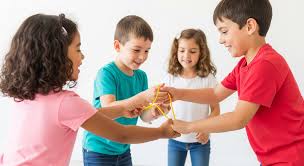
Children are naturally energetic and curious, which makes play an essential part of their growth and development. However, there are times when kids must stay indoors, such as during bad weather, holidays, or when outdoor play is not possible. During these moments, indoor games become an excellent way to keep children entertained, active, and mentally stimulated. Indoor games for kids are not only fun but also beneficial for their physical health, creativity, and social skills.
Parents and caregivers often look for engaging activities that help children stay busy while learning new skills. Indoor games can range from simple physical activities to creative and educational games that promote teamwork, imagination, and problem-solving. By introducing a variety of indoor games, parents can create a positive and enjoyable environment where kids can learn and play at the same time.
Importance of Indoor Games for Kids
Indoor games play a significant role in a child’s development. These activities help children build important life skills such as communication, coordination, and creativity. When kids participate in games with family members or friends, they learn how to cooperate, follow rules, and develop patience.
Another important benefit of indoor games is that they encourage mental stimulation. Many indoor games involve puzzles, memory challenges, or strategy, which help improve cognitive abilities. These activities can also reduce screen time by providing engaging alternatives to television, tablets, and video games.
Physical movement is another important factor. Even though children are indoors, many games encourage movement such as jumping, dancing, or balancing. These activities help children stay active and maintain a healthy lifestyle.
Classic Indoor Games for Kids
Classic indoor games have been enjoyed by children for generations. These games are simple to organize and usually require very little equipment. One of the most popular classic games is Hide and Seek. In this game, one player counts while others hide around the house. The player then searches for the hidden participants. This game is exciting and helps develop observation skills.
Another well-known indoor game is Simon Says. In this activity, one person gives instructions beginning with the phrase “Simon says.” Players must only follow instructions when the phrase is included. If the command is given without the phrase and someone follows it, they are out of the game. This activity helps children improve listening and attention skills.
A third classic option is Musical Chairs. Chairs are placed in a circle while music plays. Children walk around the chairs and must quickly sit down when the music stops. Each round removes one chair until a winner remains. This energetic game is perfect for parties and group gatherings.
Educational Indoor Games
Indoor games can also be educational and help children learn new concepts while playing. Word games, memory games, and puzzles encourage learning in a fun and engaging way. For example, a spelling challenge game can help children practice vocabulary while competing with friends or siblings.
Another educational game is a scavenger hunt. Parents can hide objects around the house and give children clues to find them. This game encourages problem-solving and critical thinking while keeping kids active.
Building games using blocks or construction toys are also valuable. These activities allow children to design structures, explore creativity, and develop spatial awareness. Educational indoor games are especially helpful for younger children because they combine learning with entertainment.
Creative and Artistic Indoor Activities
Creative activities are another excellent category of indoor games for kids. Drawing competitions, painting projects, and craft activities allow children to express themselves through art. These activities can help improve fine motor skills and boost imagination.
One fun creative game is a storytelling challenge. Children can take turns adding sentences to create a funny or imaginative story. This activity encourages language development and creativity.
Another idea is a homemade puppet show. Kids can create puppets using socks, paper bags, or craft materials. After making the puppets, they can perform a short play for family members. Activities like these help build confidence and communication skills.
Physical Indoor Games
Even when children are indoors, they still need opportunities to move and stay active. Physical indoor games can help release energy while promoting coordination and balance.
One popular activity is an indoor obstacle course. Parents can use household items such as pillows, chairs, and boxes to create a course where children crawl, jump, and balance their way to the finish line. This activity improves motor skills and encourages exercise.
Dance games are also a great option. Playing music and encouraging kids to dance freely allows them to stay active and have fun. Parents can also introduce dance competitions or freeze dance games where kids must stop moving when the music pauses.
Balloon volleyball is another safe indoor activity. A simple string or tape line can divide the room, and children can hit a balloon back and forth like a volleyball. This game improves hand-eye coordination and teamwork.
Indoor Board Games for Kids
Board games remain one of the most popular forms of indoor entertainment for children. These games often involve strategy, counting, and decision-making, which helps develop thinking skills.
Games like Snakes and Ladders and Monopoly are enjoyed by families around the world. These games teach patience, planning, and basic math skills while providing hours of entertainment.
Another popular board game for children is Uno, a colorful card game that requires players to match numbers and colors while planning their next move. Card and board games encourage friendly competition and help strengthen family relationships.
Indoor Games for Small Groups
When children play together with friends or siblings, indoor games become even more exciting. Group games encourage cooperation and communication. Charades is a classic group activity where players act out words or phrases without speaking while others try to guess.
Another fun group game is the “telephone game.” Children sit in a circle, and one person whispers a sentence to the next person. The message is passed around until it reaches the final player, who says it out loud. The result is often funny because the message usually changes along the way.
Team-based games such as puzzle races or building competitions also encourage teamwork and friendly rivalry.
Tips for Organizing Indoor Playtime
Organizing indoor games for kids can be easier with a little planning. Parents should choose activities suitable for the child’s age and interests. Younger children may prefer simple games, while older kids may enjoy strategy games or creative challenges.
It is also helpful to rotate games regularly to keep children interested. Introducing new activities prevents boredom and encourages curiosity.
Safety should also be considered. Parents should ensure that play areas are clear of dangerous objects and that children understand the rules of each game.
Benefits of Indoor Games for Family Bonding
Indoor games provide an excellent opportunity for families to spend quality time together. When parents participate in games with their children, it strengthens emotional connections and creates lasting memories.
Family game nights, craft sessions, or storytelling activities can help children feel supported and valued. These shared experiences




Leave a Reply